
No-dig drain relining on the Isle of Man
Many cracked, leaking or root-damaged drains can be repaired from the inside with a resin liner, without digging up your drive, patio or garden.
Or feel free to send a WhatsApp, photos welcome.
- No digging in most cases
- Manufacturer's guarantee where it applies
- Camera checked before and after
In short
- What it is
- A liner soaked in resin is placed inside the damaged pipe and left to harden, forming a new pipe inside the old one.
- What it fixes
- Cracks, fractures, leaking or displaced joints and root entry, including under drives, patios, extensions and gardens.
- Two options
- A patch repair for one damaged spot, or a full-length liner for a pipe with problems along its length.
- When it won't work
- If a pipe has collapsed, lost its shape or sags badly, it needs an excavation repair instead, and we'll explain why.
- What it costs
- Your first consultation is free, and we give you a free estimate before any work starts.
How a drain is relined, step by step
We only reline once we've seen the pipe on camera and know it's suitable.
- Clean and check: we jet the pipe clean, cut back any roots and survey it with a camera to measure the damage.
- Insert the liner: a liner cut to length is soaked in resin and pulled or pushed into place.
- Inflate and cure: an inflatable bladder presses the liner firmly against the old pipe while the resin hardens.
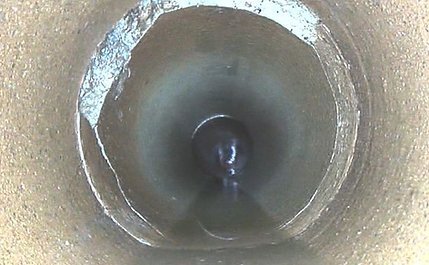
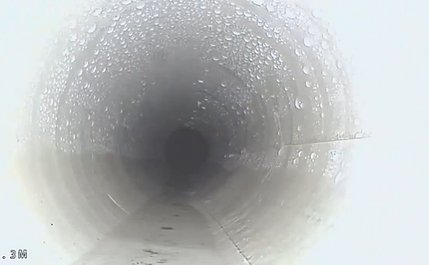
- Smooth new pipe: the bladder comes out, leaving a sealed, jointless lining. We check it on camera and you get the footage.
What relining looks like inside the pipe
Patch repair or full relining?
| Patch repair | Full-length relining | |
|---|---|---|
| Best for | One crack, a single leaking joint or a spot where roots are getting in | A pipe with several problems, or general deterioration along its length |
| What's lined | A short section around the damage | The whole pipe between two access points |
| Disruption | Very little. No digging | Very little. No digging |
| Checked by camera | Before and after | Before and after |
The camera survey tells us which one you need. If a patch will do, we won't line the whole pipe.
Why relining often costs less in the long run
On many drain repairs, the digging is the expensive part: breaking out a drive or patio, taking the spoil away, and then putting everything back. Relining avoids most of that.
- No excavation or reinstatement of drives, patios, paths, lawns or floors
- Less time on site and far less disruption at home or at work
- Joints are sealed, so roots can't get in through the old joints
- A smoother inside surface, which makes blockages less likely
- A manufacturer's 10-year guarantee where it applies to the repair
Fixing a small problem before it grows
A cracked or open joint doesn't stay small. Roots find their way in, and water leaks out into the ground around the pipe. Over time that leaking water can wash away the soil supporting the pipe, which is how a crack becomes a collapse, and occasionally how a drain ends up affecting the ground under a path or wall.
Relining at the crack stage is usually a simple, quick repair. Waiting until the pipe collapses normally means digging. If a survey shows early damage, we'll explain the risk plainly and leave the decision to you.
When relining isn't the right fix
Relining suits many pipes, but not all of them. We'll recommend digging instead when:
- the pipe has collapsed or broken apart, so there's nothing for a liner to sit against
- it has lost its shape badly, as older pitch fibre pipes sometimes do
- there's a serious dip or back-fall, so water sits in the pipe whatever it's lined with
- the pipe needs to be moved, made bigger or given a new connection
In those cases an excavation repair is the right answer, and we can do that too.
Drain relining FAQs
How long does a drain liner last?
Liners are designed for a long working life. Where it applies, the repair comes with a manufacturer's 10-year guarantee, and we'll tell you before the work starts whether yours is covered.
Does relining make the pipe smaller?
Very slightly, by the thickness of the liner. In practice the smooth, jointless surface usually flows at least as well as the old pipe, because there are no rough joints or cracks for waste to catch on.
Is relining cheaper than digging up the drain?
Often, yes, especially where the pipe runs under a drive, patio, building or mature garden, because there's nothing to break out and rebuild. For a short, shallow pipe under open ground, digging can sometimes make more sense. We'll talk you through both.
Can a drain under my house or extension be relined?
Usually, yes, as long as we can reach the pipe from an access point such as a manhole. It's one of the main reasons people choose relining.
Will my insurance pay for relining?
Many buildings insurance policies cover accidental damage to underground drains, but not wear and tear, so check yours. Our camera report sets out what's damaged and where, which is what an insurer usually asks for. Whether a claim is accepted is up to your insurer.
Do I need a survey first?
Yes. We need to see the pipe to know whether it can be lined, how long the damage is and which type of repair is right. If you've already had a survey done by someone else, send it over.
Related pages
Been told your drain needs digging up?
Send us the survey or tell us what you've been told. If relining would do the job, we'll say so.